







Medical Supplies & Equipment Company
MSEC is a national distributor and manufacturer of medical equipment, devices and supplies. By bringing the products directly from the factory to the consumer, we are able to offer significant savings. By offering a broad range of quality medical products from top manufacturers, MSEC is able to provide selection which best suits our customer needs. By providing customized project solutions along with expert customer support, we are able to meet your objectives within your budgetary requirements. We are trusted provider of medical office cabinets, rehab equipment, EMS stretchers, medical lighting, hospital linens, laboratory equipment and much more. With nearly 100,000 medical products, your satisfaction is guaranteed. From hospital equipment to medical facility project management, from doctors to patients, and everyone in between, we are MSEC, Medical Equipment and Supplies Company.
-
HOSPITAL
Wall Mounted Cabinets
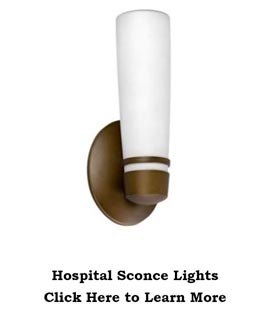
Hospital Overbed Lights
Hi-Lo Tables
Poly Linen Carts
Warming & Drying Cabinets
Catheter Carts
Treatment Tables
Cardiac Tilt Table
Sleeper Chairs & Recliners
See All Hospital -
SURGICAL
Neurological Instruments
Plastic Surgery Instruments
Rectal Instruments
Obstetrical Instruments
See All Surgical -
Rehab/ Sports
Posture Mirrors
Rehab Work Tables
Parallel Bars
Treadmills
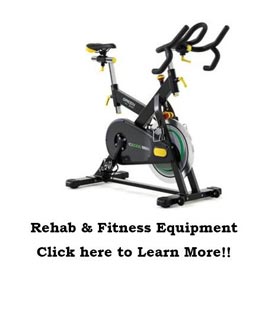
Exercise Bicycles
Hydrotherapy Whirlpool Tubs
Taping Tables & Stations
Stair Climbers
Elliptical Trainers
See All Rehab and Sports
-
DIAGNOSTIC
-
DENTAL
Portable Dental Air Compressors
Portable Dental Vacuum Units
Portable Dental Stools
Periodontal Dental Instruments
Dental Surgery Instruments
See All Dental -
EMERGENCY
First Aid Kits & Safety Supplies
Break-apart Stretchers
Neck & Head Immobilizers
Medical Training Manikins
Portable AED / Defibrillators
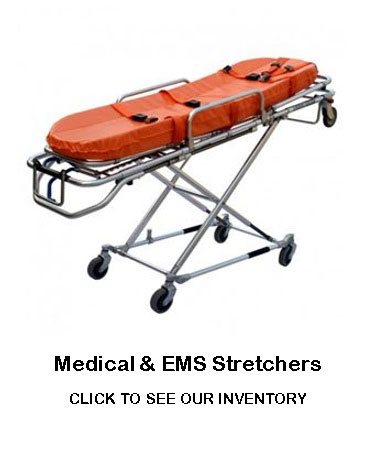
Emergency Transportation
See All Emergency
-
Long Term Care
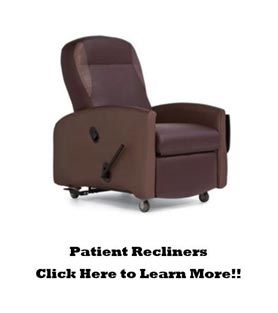
Power Lift Chairs & Recliners
Medical Rollators
Catheters
Bathroom Towels & Washcloths
Wheelchair Ramps
Alcohol Swabs & Pads
Commodes
Adjustable Hospital Beds
Medical Emergency Alarms
Antimicrobial Sprays
See All Long Term Care -
LAB
Lab Incubators
Lab Safety Goggles
Differential Cell Counters
See All Lab Supplies -
MEDICAL APPAREL
Disposable Medical Apparel
Consultation Coats & Medical Smocks
Nurse Scrubs & Uniforms
Patient Gowns & Hospital Wear
Surgical Gowns
See All Medical Apparel

About Us
Your Orders
Social


Need Help? Our customer service specialist are available at
toll free phone: 1.877.706.4480 | local/international phone: 713.706.4480


© 2003 - 2024 Medical Supplies & Equipment Company, LLC. All rights reserved. Terms of Use